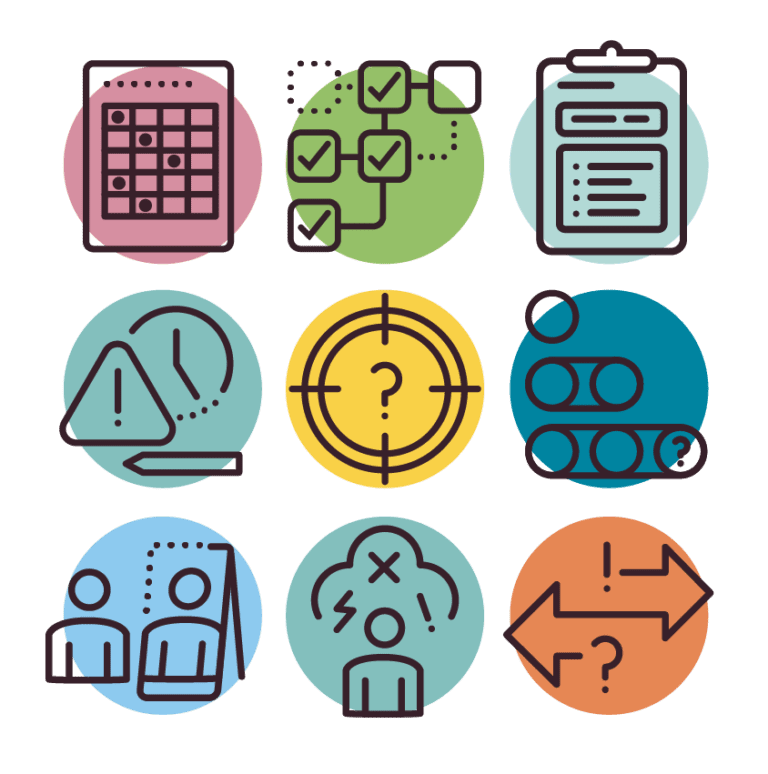
Executive function is a term that’s being used more and more — in schools, reports, conversations with teachers and allied health professionals, and across social media.
Yet for many families, having executive function explained for parents still feels confusing, vague, or even frustrating.
You may find yourself thinking:
- Why can my child understand what’s expected, but still struggle to do it?
- Why does getting started feel so hard for them?
- Are they just not trying… or is something else going on?
Understanding executive function — and how it develops — can be a powerful turning point for families.
What Is Executive Function?
Executive function refers to a set of skills that help children manage themselves and their responsibilities. If you’d like to explore this in more depth, I previously wrote about executive function and its importance for students.
These skills support a child’s ability to: 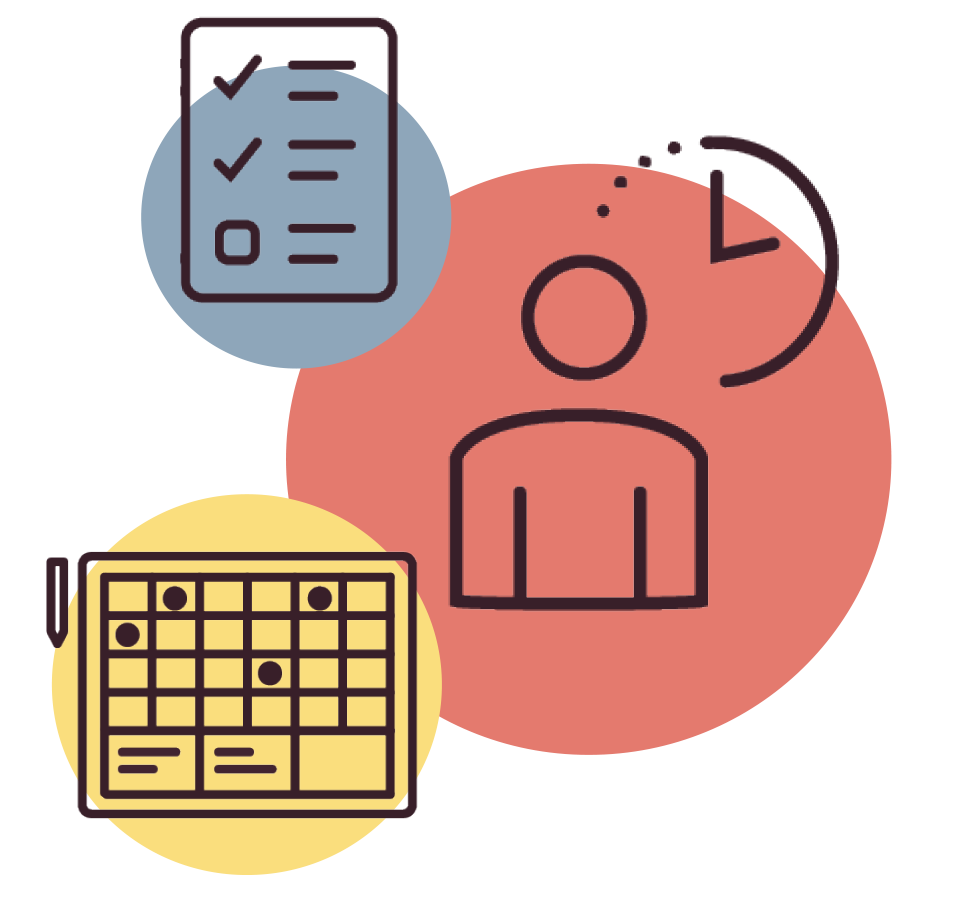
- Plan and organise
- Manage time and deadlines
- Start tasks and follow them through
- Hold information in mind (working memory)
- Regulate emotions and behaviour
- Adapt when things don’t go to plan
In simple terms, executive function is the brain’s management system — the skills that help children turn intentions into action.
Why Executive Function Is So Often Misunderstood
Executive function challenges don’t always look obvious.
A child may be bright, capable, and motivated — yet still:
- Forget instructions
- Leave tasks to the last minute
- Struggle to get started
- Become overwhelmed by multi-step tasks
- Appear inconsistent or disorganised
This is often where behaviour is misunderstood.
Instead of seeing:
- “They’re just not listening”
- “They’re not trying hard enough”
- “They’re bad at managing time”
- “They’re immature”
What’s often happening is that a skill is still developing. Executive function is about skills — not will.
When Children Aren’t Doing Well, Something Is Usually Getting in the Way
A helpful reframe for parents is this:
Children will do well if they can (Dr Ross Greene).
When children aren’t meeting expectations, it’s rarely because they won’t. In most cases, it’s because they can’t yet — not due to lack of effort, but because they are still building the necessary skills.
This is why:
- Repeated reminders don’t always help
- Punishments and rewards don’t lead to lasting change
- “Just try harder” often increases frustration
- In most cases, children are lacking the tools and strategies, not the motivation.
Executive Function Takes Time to Develop 
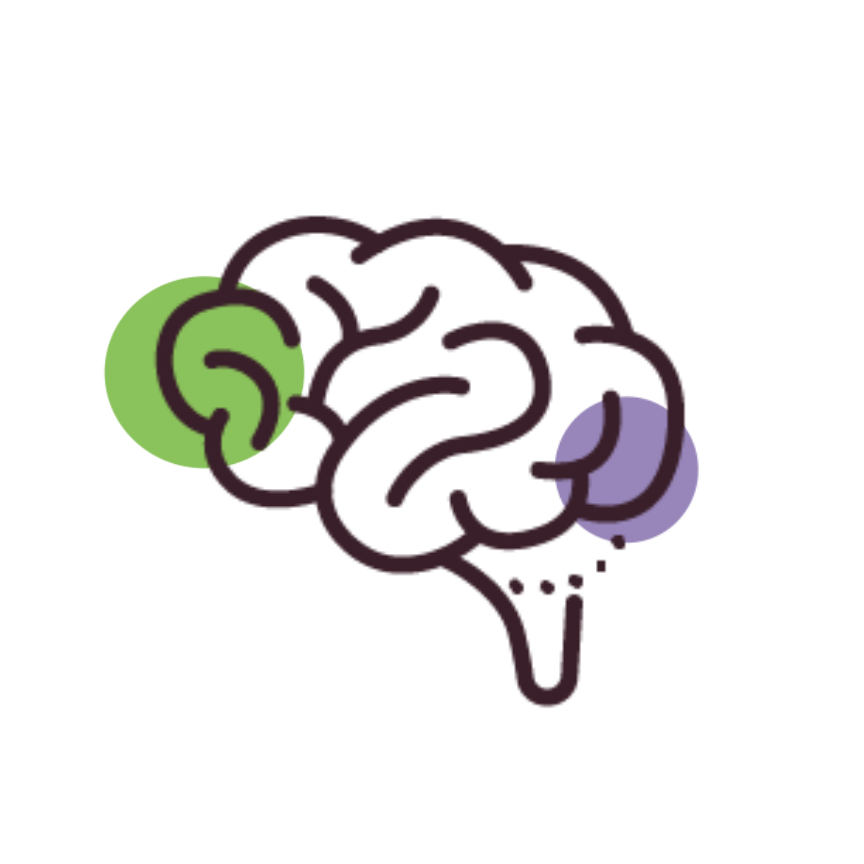
Executive function skills develop gradually and unevenly.
The part of the brain responsible for these skills continues developing well into adolescence and early adulthood. This means:
- Children can be strong in one area and struggle in another
- Skills may fluctuate depending on stress, fatigue, or workload
- What looks like inconsistency is often developmental
Expecting children to manage complex demands without support is like expecting them to read fluently before they’ve been taught how.
What This Means for Parents
Understanding executive function can change how we respond at home.
When executive function is explained for parents in a clear, practical way, families are better equipped to respond with understanding rather than frustration.
Rather than asking:
-
Why won’t they do this?
We can start asking:
- What skill might be missing here?
- What’s getting in the way?
- How can I support this skill while it’s still developing?
This is where scaffolding becomes so important.
Scaffolding doesn’t mean doing things for children — it means supporting them while skills are being learned, then gradually stepping back as independence grows.
The Big Takeaway

Executive function challenges are not a reflection of a child’s intelligence, effort, or potential.
They are a sign that skills are still developing.
With the right understanding, support, and tools, these skills can be strengthened — reducing stress at home, building confidence, and helping children not only succeed at school, but thrive in life.
To learn more about how we support students and equip them with the necessary tools, skills and strategies please get in touch.